Financing Options Available for All Services!
7 Common Plumbing Mistakes Homeowners Make and How to Avoid Costly Repairs
Preventive Care
Expert advice for homeowners
Avoid Costly Plumbing Mistakes in Lancaster, CA
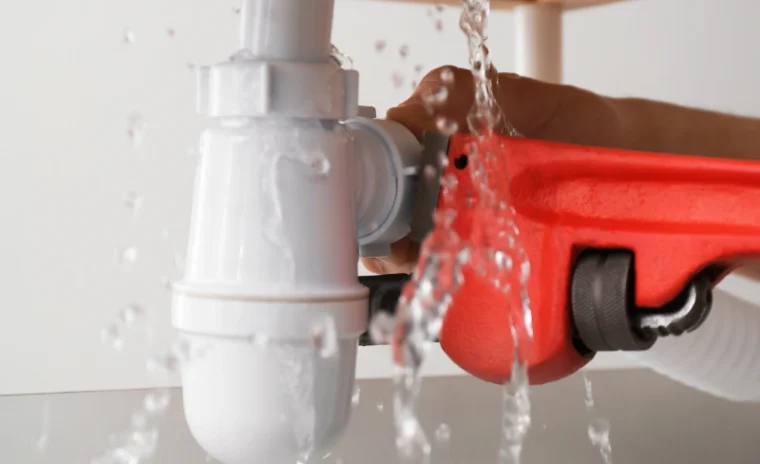
Ignoring Small Leaks
A dripping faucet or a tiny puddle beneath the sink might seem harmless, but even minor leaks can escalate into major problems that cost thousands to repair. In Lancaster’s dry climate, many homeowners underestimate how quickly water damage accumulates, especially when moisture seeps into cabinetry, flooring, or wall structures.
Small leaks waste significant amounts of water over time. A faucet dripping once per second wastes approximately 3,000 gallons annually, which adds unnecessary expenses to your utility bills. Beyond water waste, persistent moisture creates ideal conditions for mold growth, wood rot, and structural deterioration that compromise your home’s integrity.
Address leaks immediately when you notice them. Check under sinks regularly for signs of moisture, inspect faucet bases for water accumulation, and monitor toilet tanks for constant running. Early intervention prevents minor issues from becoming extensive repairs. If you notice persistent leaks or cannot locate the source, professional assessment ensures proper diagnosis and lasting solutions that protect your property investment.
Using Chemical Drain Cleaners
Chemical drain cleaners promise quick fixes for clogs, but they frequently cause more harm than good to your plumbing system. These harsh products contain corrosive substances that eat away at pipe materials, particularly older metal pipes and PVC joints. The temporary relief they provide often masks underlying issues while damaging your infrastructure.
Repeated use of chemical cleaners weakens pipe walls and connections, leading to leaks, cracks, and eventual pipe failure. The chemicals generate heat during the reaction process, which can warp plastic pipes and corrode metal fittings. Additionally, these products rarely address the root cause of blockages, meaning the problem returns shortly after treatment.
Instead of reaching for chemical solutions, use mechanical methods such as plungers or drain snakes for minor clogs. For kitchen sinks, a mixture of hot water and dish soap often clears grease buildup effectively. When clogs persist or occur frequently, this indicates a deeper issue within your drainage system that requires professional attention. Proper diagnosis identifies whether tree roots, accumulated debris, or structural problems cause the blockage, allowing for effective, lasting solutions that preserve your pipes rather than destroy them.
Overtightening Connections
When tightening plumbing connections, more force does not equal better results. Overtightening fixtures, supply lines, and pipe fittings represents one of the most common mistakes homeowners make during DIY repairs. Excessive torque cracks porcelain fixtures, strips threads, damages washers, and creates stress points that lead to leaks rather than prevent them.
Toilet bolts, faucet connections, and supply line fittings require only hand-tight pressure plus a quarter to half turn with a wrench. Beyond this point, you risk crushing rubber washers, cracking plastic threads, or deforming metal fittings. Once damaged, these components leak and require complete replacement rather than simple adjustment.
Follow manufacturer specifications for torque requirements on all fixtures and connections. When tightening bolts on toilet tanks or bases, work in a crisscross pattern to distribute pressure evenly. If a connection leaks after proper tightening, the issue likely stems from a damaged washer, misaligned threads, or defective components rather than insufficient force. In Lancaster’s hard water conditions, mineral deposits sometimes prevent proper seating of washers and gaskets. Cleaning connection points thoroughly before reassembly ensures proper seals without excessive tightening. For valuable fixtures or unfamiliar installations, having a qualified technician handle the work prevents costly mistakes.

Flushing Inappropriate Items
Toilets are designed to handle human waste and toilet paper exclusively, yet many homeowners treat them as universal disposal systems. Flushing inappropriate items causes clogs, damages sewer lines, and creates expensive repair situations that could easily be prevented. Items marketed as flushable, including many wipes, frequently fail to break down properly in residential plumbing systems.
Common culprits include dental floss, cotton swabs, feminine hygiene products, paper towels, cat litter, and so-called flushable wipes. These materials do not disintegrate like toilet paper and instead accumulate in pipes, creating blockages that require professional intervention to clear. Hair, cooking grease, and medication also cause problems when introduced into the drainage system.
Place a small waste basket in each bathroom to provide convenient disposal for items that should not enter the plumbing system. Educate household members, especially children, about proper toilet use. The momentary convenience of flushing inappropriate items never justifies the hundreds or thousands of dollars required to clear severe blockages or repair damaged sewer lines. Kitchen sinks present similar concerns. Grease, coffee grounds, and fibrous vegetable matter should go into trash receptacles rather than down drains, regardless of whether you have a garbage disposal. In Lancaster’s older neighborhoods, aging sewer lines are particularly vulnerable to blockages, making prevention essential for avoiding disruptions and emergency service calls.
Flushing Inappropriate Items
Water heaters work quietly in garages and utility closets, easy to forget until they fail catastrophically. Neglecting routine maintenance shortens equipment lifespan, reduces efficiency, and increases the likelihood of complete system failure that leaves your household without hot water. Lancaster’s hard water accelerates sediment accumulation, making regular maintenance particularly important in this region.
Mineral deposits settle at the bottom of water heater tanks, reducing heating efficiency and creating hot spots that damage tank linings. This sediment layer forces the heating element to work harder, increasing energy consumption and wear. Annual draining removes accumulated sediment, but many homeowners skip this essential task until problems arise. Pressure relief valves also require periodic testing to ensure they function properly during emergency situations.
Schedule annual inspections for water heaters, including flushing to remove sediment, checking the anode rod for corrosion, testing the pressure relief valve, and inspecting connections for leaks. Set your water heater temperature to 120 degrees Fahrenheit for optimal efficiency and safety. Watch for warning signs including inconsistent water temperature, unusual noises during heating cycles, discolored water, or moisture around the tank base. Professional technicians can assess whether your system requires repair or has reached the end of its useful service life. Replacing aging water heaters proactively prevents the property damage and inconvenience associated with catastrophic tank failures. Regular maintenance services extend equipment lifespan and maintain efficiency, saving money on both energy bills and premature replacement costs.